
Aesthetics
PRP Skin Rejuvenation
Using platelet-rich plasma prepared from your own blood, PRP treatment is designed to support healthier-looking skin, improve the appearance of texture and fine lines, and restore a more refreshed complexion.
Overview
What Is PRP Skin Rejuvenation?
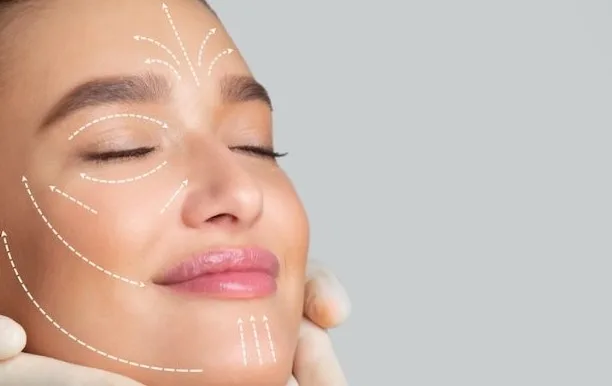
PRP Skin Rejuvenation in Karachi is a minimally invasive aesthetic treatment that uses platelet-rich plasma prepared from your own blood to support the appearance and quality of the skin.
PRP stands for Platelet-Rich Plasma. During treatment, a small amount of your blood is collected and processed to separate the plasma and platelets from the other blood components. The platelet-rich preparation is then introduced into selected areas of the skin according to the treatment protocol.
Platelets contain various growth factors and biological signaling substances involved in the body's natural healing processes. PRP has therefore been investigated for a range of tissue-repair and aesthetic applications.
For facial skin, PRP may be considered for concerns such as fine lines, uneven texture, dull-looking skin, and certain acne-scar concerns.
At Dental Oasis, treatment begins with an assessment of your skin, medical history, previous treatments, and aesthetic goals. This helps determine whether PRP is appropriate for you and what type of treatment plan may be most suitable.
How Does PRP Skin Rejuvenation Work?
PRP Skin Rejuvenation uses a patient's own blood to prepare platelet-rich plasma.
The basic process is:
Blood collection → PRP preparation → Skin treatment
A small blood sample is collected and processed to obtain the platelet-rich plasma.
The prepared PRP is then applied or introduced into selected areas of the skin using the technique appropriate for your treatment plan.
The biological components within PRP may support the skin's natural repair processes. However, results are gradual and vary between individuals.
PRP is not a dermal filler and does not provide the same immediate volume-adding effect as injectable fillers.
PRP Skin Rejuvenation at Dental Oasis
At Dental Oasis, we take a personalized approach to aesthetic skin treatments.
Before treatment, we discuss:
Your skin concerns
Treatment goals
Medical history
Current medications
Previous aesthetic procedures
Skin sensitivity
Expected outcomes
The treatment area is then assessed and an appropriate PRP protocol is planned.
Our approach focuses on realistic expectations, patient comfort, appropriate hygiene, and individualized treatment rather than promising identical results for every patient.
Is PRP Skin Rejuvenation Painful?
PRP skin rejuvenation involves blood collection and, depending on the technique used, multiple small injections into the treatment area.
You may experience mild pinching, stinging, or discomfort during treatment.
A topical numbing cream may be considered where appropriate to improve patient comfort.
Individual sensitivity varies.
How Many PRP Sessions Are Needed?
The number of sessions depends on your skin condition, treatment goals, treatment area, and individual response.
Some patients may undergo a series of treatments rather than a single session.
During your consultation, we can discuss:
Recommended number of sessions
Treatment intervals
Expected timeline for visible improvement
Maintenance treatments
Whether PRP should be combined with another aesthetic treatment
Your treatment schedule should be individualized rather than based on a fixed number of sessions for everyone.
When Will I See Results?
PRP skin rejuvenation does not produce an instant transformation.
Because PRP is intended to support the skin's natural biological processes, visible changes may develop gradually over the following weeks and months.
The timeline and degree of improvement vary depending on factors such as age, skin condition, treatment protocol, lifestyle, and individual response.
Who May Not Be Suitable for PRP?
PRP may not be appropriate for everyone.
Treatment may need to be postponed or avoided depending on factors such as:
Certain blood disorders
Significant platelet abnormalities
Active skin infection
Open wounds in the treatment area
Certain inflammatory skin conditions
Certain medications
Conditions affecting blood clotting
Pregnancy or breastfeeding, depending on the treatment plan
A proper consultation and medical history are important before treatment.
PRP vs. Mesotherapy
PRP and mesotherapy are different aesthetic treatments.
PRP Skin Rejuvenation uses platelet-rich plasma prepared from your own blood.
Mesotherapy uses multiple superficial injections to introduce a selected formulation into targeted areas of the skin.
The appropriate option depends on your skin concerns, treatment goals, medical history, and the specific treatment protocol.
In some cases, different treatments may be considered as part of a broader skin-rejuvenation plan.
Why Choose Dental Oasis?
At Dental Oasis, aesthetic treatments are planned around your individual skin concerns and treatment goals.
Our approach includes:
Individual skin assessment
Personalized treatment planning
Sterile blood collection and treatment techniques
PRP preparation using your own blood
Patient-focused care
Clear aftercare instructions
Realistic treatment expectations
Follow-up when required
Our goal is to provide a natural-looking approach to skin rejuvenation while maintaining appropriate hygiene and patient-care standards.
Signs & Symptoms
Skin Concerns
PRP Skin Rejuvenation may be considered if you are concerned about:
Dull or tired-looking skin
Fine lines
Uneven skin texture
Early signs of skin aging
Reduced skin radiance
Mild loss of skin firmness
Certain acne-scar concerns
Uneven-looking complexion
Skin that appears less healthy or refreshed than before
Skin changes can occur naturally with age and may also be influenced by sun exposure, environmental factors, lifestyle, dehydration, and previous acne.
Not every skin concern is best treated with PRP. A professional assessment is important before deciding on treatment.
Treatment Procedure
Procedure
Step 1 – Consultation & Skin Assessment
Your skin condition, concerns, medical history, medications, previous treatments, and aesthetic goals are reviewed.
Step 2 – Treatment Planning
The treatment area and appropriate PRP technique are determined.
Step 3 – Blood Collection
A small sample of your own blood is collected using appropriate sterile technique.
Step 4 – PRP Preparation
The blood sample is processed to separate platelet-rich plasma from the other blood components.
Step 5 – Skin Preparation
The treatment area is cleansed and prepared before treatment.
Step 6 – PRP Application
The prepared platelet-rich plasma is introduced into selected areas of the skin using the technique appropriate for your treatment plan.
Step 7 – Aftercare
You receive personalized instructions regarding skincare, sun exposure, makeup, exercise, and other activities following treatment.
Benefits
Benefits of PRP Skin Rejuvenation
Depending on the individual and treatment protocol, PRP may help:
Improve the appearance of skin texture
Reduce the appearance of fine lines
Support a more refreshed complexion
Improve the appearance of dull skin
Support overall skin quality
Improve the appearance of certain acne scars
Provide a minimally invasive skin-rejuvenation option
Use platelet-rich plasma prepared from your own blood
PRP does not produce identical results in every patient, and visible improvements generally develop gradually rather than immediately.
Treatment Duration
45–60 minutes per session, depending on the treatment area and individual treatment protocol.
Recovery
PRP Skin Rejuvenation generally involves minimal downtime, although temporary reactions may occur. You may experience: Mild redness Swelling Tenderness Bruising Temporary sensitivity Small marks at injection sites These effects generally improve as the treated area recovers. You may be advised to temporarily avoid excessive sun exposure, strenuous exercise, heat, harsh skincare products, and unnecessary touching or rubbing of the treated area. Follow the specific aftercare instructions provided by your treatment provider.