
Restorative Dentistry
Root Canal Treatment in Karachi
Relieve severe tooth pain and save your natural tooth with pain-free Root Canal Treatment (RCT) in Karachi at Dental Oasis.
Overview
What is Root Canal Treatment?
A persistent toothache, prolonged sensitivity to hot or cold foods, pain while chewing, or swelling around the gums may indicate an infection inside your tooth. Fortunately, an infected tooth doesn't always need to be extracted. Root Canal Treatment (RCT) is a highly successful procedure that removes the infection while preserving your natural tooth.
Advanced Root Canal Treatment at Dental Oasis
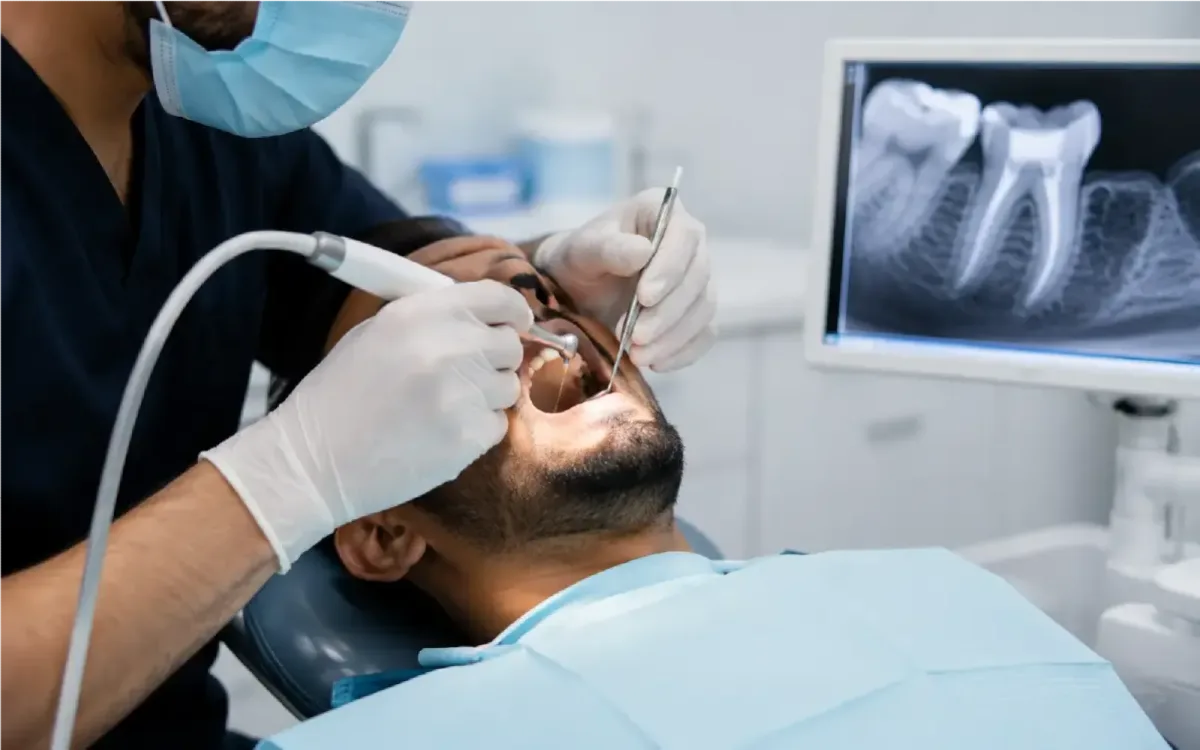
At Dental Oasis, we provide modern Root Canal Treatment in Karachi using evidence-based techniques, digital diagnostics, and strict sterilization protocols to ensure safe, precise, and comfortable care. During the procedure, the infected dental pulp is removed, the root canals are thoroughly cleaned and disinfected, and the tooth is sealed to prevent reinfection. In many cases, a dental crown is recommended afterward to restore the tooth's strength and function.
Does a Root Canal Hurt?
One of the biggest misconceptions about root canal treatment is that it is painful. In reality, modern root canal therapy is designed to relieve pain—not cause it. With effective local anesthesia and advanced dental techniques, most patients compare the experience to having a routine dental filling. According to the American Association of Endodontists (AAE), root canal treatment is one of the most effective ways to save a natural tooth, while Colgate Oral Care also emphasizes that modern root canal procedures are comfortable and highly predictable.
Why Saving Your Natural Tooth Matters?
Preserving your natural tooth offers significant long-term benefits. It maintains your natural bite, allows comfortable chewing, protects neighboring teeth from shifting, helps preserve jawbone health, and often eliminates the need for more expensive tooth replacement options like dental implants or bridges.
When Should You See a Dentist?
If you're experiencing persistent tooth pain, sensitivity, swelling, or signs of a dental infection, early treatment greatly improves the chances of saving your tooth while preventing the infection from spreading to surrounding tissues.
Signs & Symptoms
You may require Root Canal Treatment if you notice one or more of the following symptoms:
Persistent or severe toothache
Sharp pain while chewing or biting
Lingering sensitivity to hot or cold foods and drinks
Swollen, tender, or inflamed gums
A pimple or boil on the gums (dental abscess)
Tooth discoloration or darkening
Facial swelling caused by dental infection
Deep tooth decay reaching the nerve
A cracked or fractured tooth exposing the pulp
Pain that worsens at night or interrupts sleep
Bad taste or pus discharge from the affected tooth
Not every infected tooth causes pain. Regular dental check-ups and digital X-rays help identify hidden infections before they become more serious.
Treatment Procedure
Our Root Canal Treatment follows a precise, patient-focused approach to ensure maximum comfort and long-term success.
Step 1 – Comprehensive Examination
Your dentist performs a thorough clinical examination and digital X-rays to assess the extent of the infection and determine whether the tooth can be saved.
Step 2 – Comfortable Local Anesthesia
The tooth and surrounding area are completely numbed, ensuring you remain comfortable throughout the procedure.
Step 3 – Accessing the Infection
A small opening is created in the tooth to safely access the infected or damaged pulp tissue.
Step 4 – Cleaning & Shaping the Root Canals
Specialized endodontic instruments are used to remove infected tissue, shape the canals, and disinfect them thoroughly to eliminate bacteria.
Step 5 – Filling & Sealing
The cleaned canals are filled with a biocompatible material called gutta-percha and sealed to prevent future bacterial contamination.
Step 6 – Restoring the Tooth
Depending on the remaining tooth structure, a high-quality filling or custom dental crown is placed to restore strength, function, and aesthetics while protecting the treated tooth for years to come.
Benefits
Root Canal Treatment offers numerous long-term benefits, including:
Saves your natural tooth
Eliminates infection and relieves severe tooth pain
Prevents the spread of infection to surrounding teeth and bone
Restores normal chewing and biting function
Preserves your natural smile
Maintains proper tooth alignment
Protects jawbone health
Prevents unnecessary tooth extraction
More affordable than replacing a missing tooth with an implant or bridge
High success rate when combined with proper oral hygiene and regular dental visits
Long-lasting results that can preserve your tooth for decades
Treatment Duration
45–90 minutes per visit (usually completed in 1–2 appointments, depending on the severity of the infection and the complexity of the tooth.)
Recovery
Recovery after Root Canal Treatment is generally smooth and uncomplicated. It is normal to experience mild tenderness or sensitivity for a few days following the procedure, especially while chewing. This discomfort usually subsides quickly and can be managed with medications recommended by your dentist. For optimal healing, we recommend: Avoid chewing on the treated tooth until the permanent restoration or crown has been placed. Brush and floss gently while maintaining excellent oral hygiene. Take prescribed medications exactly as directed. Avoid hard or sticky foods during the initial healing period. Attend all scheduled follow-up appointments. Contact your dentist immediately if you experience severe swelling, persistent pain, or your temporary filling becomes loose. Most patients are able to return to work, school, or normal daily activities the same day or the following day. With proper oral hygiene, routine dental examinations, and a well-maintained dental crown (when indicated), a root canal-treated tooth can remain healthy and functional for many years—often for a lifetime.